


 Postpartum Nutrition and Fitness for Sustainable Core and Pelvic Floor Restoration
  Post-Procedure Skincare Protocols for At-Home Cosmetic Devices
  Cold Water Immersion and Thermoregulation Training: Rewiring Your Metabolism
  Sustainable and Eco-Conscious Practices for the Modern Dental Practice
  The Invisible Culprit: How Blue Light and Screen Time Fuel Adult Acne
  Adapting Fitness and Nutrition for the Unique Physiology of Perimenopause
  Ancient Wisdom, Modern Glow: Integrating TCM and Ayurveda into Skincare
  Financial Wellness Through Fitness: Budgeting for Health and Calculating ROI on Wellness Spending
  Your Roadmap to Recovery: Navigating Life After Full-Arch Dental Implants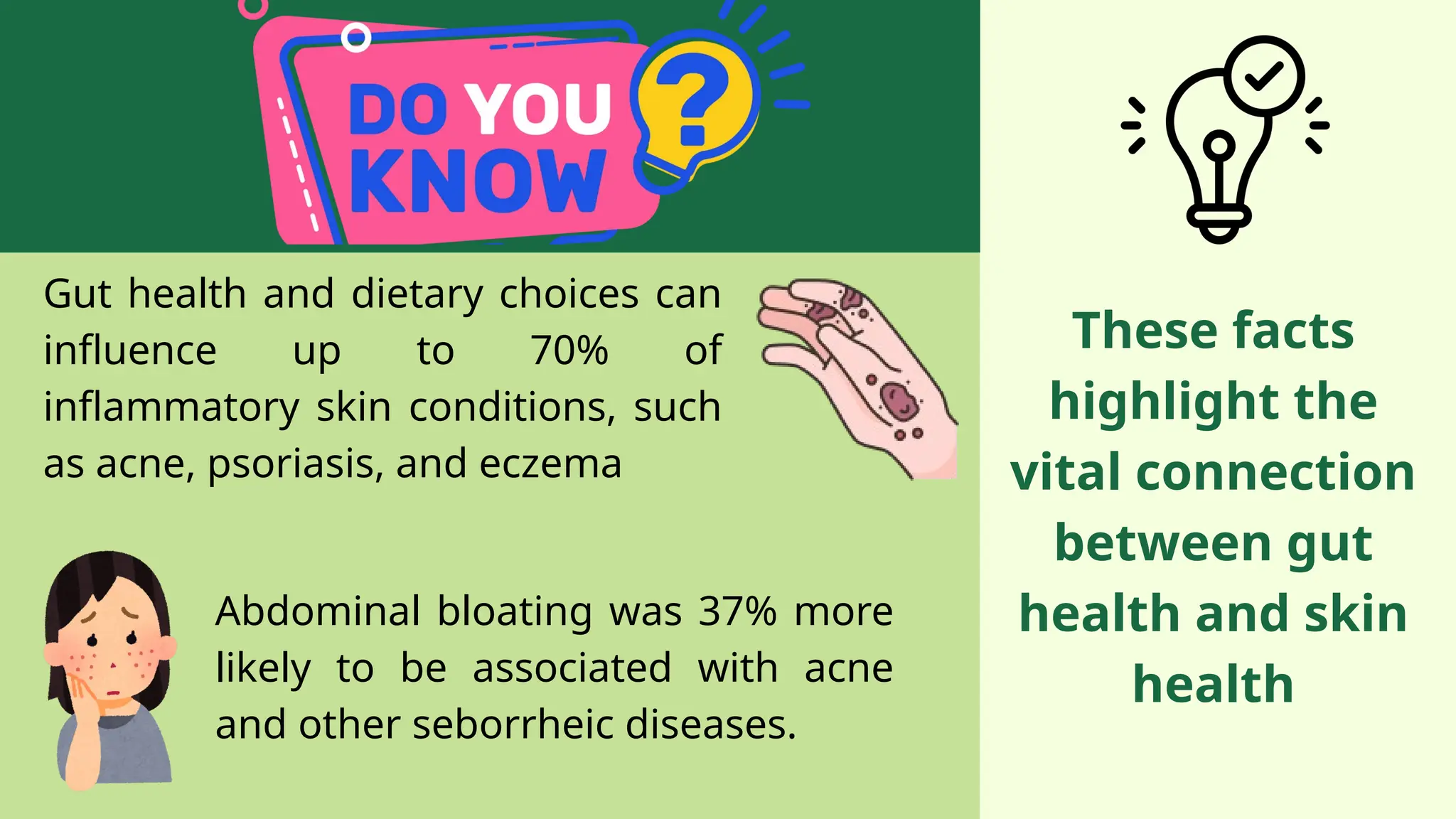
You know, we often treat our skin and our internal health as two separate worlds. One gets the serums and the SPF; the other gets the salads and the spin class. But what if I told you that your glowing complexion—or your stubborn acne, or that dry, itchy patch—is often a direct memo from your metabolism? A living, breathing report card on how your body is processing energy, managing hormones, and handling inflammation.
Let’s dive in. The connection between skin health and metabolic wellness isn’t just a theory—it’s a dynamic, two-way street. Your skin isn’t just a passive covering; it’s your largest metabolic organ. And honestly, it’s time we started listening to what it’s trying to say.
Your Skin: The Metabolic Mirror
Think of your skin as a high-definition mirror reflecting your internal metabolic state. Conditions like insulin resistance, a hallmark of metabolic dysfunction, don’t just affect your blood sugar. They send ripples throughout your entire system, and your skin is often the first place those ripples show up.
Here’s the deal: when your metabolism is out of sync, it often creates a state of chronic, low-grade inflammation. This inflammation is like a silent alarm bell that never stops ringing. And your skin? It’s incredibly sensitive to that alarm. This is why so many common skin concerns are now seen as potential external signs of internal metabolic issues.
Common Skin Conditions Linked to Metabolic Health
It’s not just about acne in your teens. The links are profound and span across ages:
- Acne and Hidradenitis Suppurativa (HS): Driven by insulin spikes and hormonal imbalances. High-glycemic diets can worsen them dramatically.
- Psoriasis: Strongly associated with metabolic syndrome, obesity, and an increased risk of type 2 diabetes. The inflammation pathways are deeply shared.
- Acanthosis Nigricans: Those dark, velvety patches on the neck or armpits? Almost a textbook cutaneous marker for insulin resistance.
- Skin Aging and Sagging: Advanced Glycation End-products (AGEs), formed when blood sugar is high, damage collagen and elastin—leading to premature wrinkles and loss of firmness.
- Poor Wound Healing: Ever had a cut that just won’t heal? Compromised metabolism, especially in diabetes, impairs the skin’s incredible repair mechanisms.
The Gut-Skin-Metabolism Axis: A Tangled Web
Okay, so we’ve got metabolism and skin talking. But there’s a third player in this conversation: your gut. Your gut microbiome is a master regulator of both metabolism and inflammation. An imbalance there (dysbiosis) can contribute to leaky gut, systemic inflammation, and—you guessed it—skin flare-ups.
It’s a classic feedback loop. A poor diet disrupts gut health, which worsens metabolic health, which fuels inflammation, which manifests on your skin. Breaking that cycle is where the real magic happens for holistic skin and body wellness.
Actionable Steps: Nourishing from the Inside Out
This isn’t about finding a miracle cream. It’s about foundational shifts. The good news? What’s good for your metabolism is almost invariably good for your skin.
1. Rethink Your Plate for Stable Blood Sugar
Ditch the rollercoaster. Focus on fiber-rich veggies, quality proteins, and healthy fats. They slow digestion, prevent insulin spikes, and provide the building blocks for healthy skin cells. Think of a colorful plate as your best anti-aging and anti-inflammatory strategy.
2. Move Your Body (But Don’t Stress It Out)
Regular exercise improves insulin sensitivity and reduces inflammation. But here’s a nuance—chronic, intense stress (physical or mental) can have the opposite effect. Balance is key. A brisk walk might do more for your skin than a grueling, cortisol-spiking marathon session.
3. Sleep: The Ultimate Metabolic and Cosmetic Reset
During deep sleep, your body repairs cells, regulates hormones (like cortisol and growth hormone), and reduces inflammation. Skimping on sleep is a direct assault on both metabolic and skin health. It’s non-negotiable.
4. Stress Management is Skincare
Chronic stress raises cortisol, which can increase blood sugar, break down collagen, and exacerbate oil production. Meditation, breathwork, time in nature—these aren’t just wellness buzzwords. They’re practical tools for calming the inflammatory cascade that shows up on your face.
| Metabolic Goal | Skin Benefit | Simple Action |
| Improve Insulin Sensitivity | Reduce acne & oiliness | Swap refined carbs for whole foods |
| Lower Systemic Inflammation | Calm redness, psoriasis, eczema | Add omega-3s (fatty fish, walnuts) |
| Support Gut Health | Enhance glow, reduce sensitivity | Eat fermented foods (kimchi, yogurt) |
| Promote Cellular Repair | Slow aging, improve firmness | Prioritize 7-9 hours of sleep |
A Final, Sobering Thought
We live in a world of quick fixes. A new cream for this, a laser for that. But if your metabolism is fundamentally struggling, you’re just putting a very expensive bandage on a symptom. Your skin’s condition is a powerful, visible clue—one of the few we get—about the invisible processes humming along inside us.
Listening to that clue, treating your skin not as an isolated canvas but as an integrated organ, changes everything. It shifts the goal from simply looking better to being better, from the inside out. The path to a truly clear, resilient complexion might just begin with a blood sugar reading, a gut-friendly meal, or a good night’s sleep. And that’s a kind of wellness that no topical product can ever deliver.